

Connected retail experiences
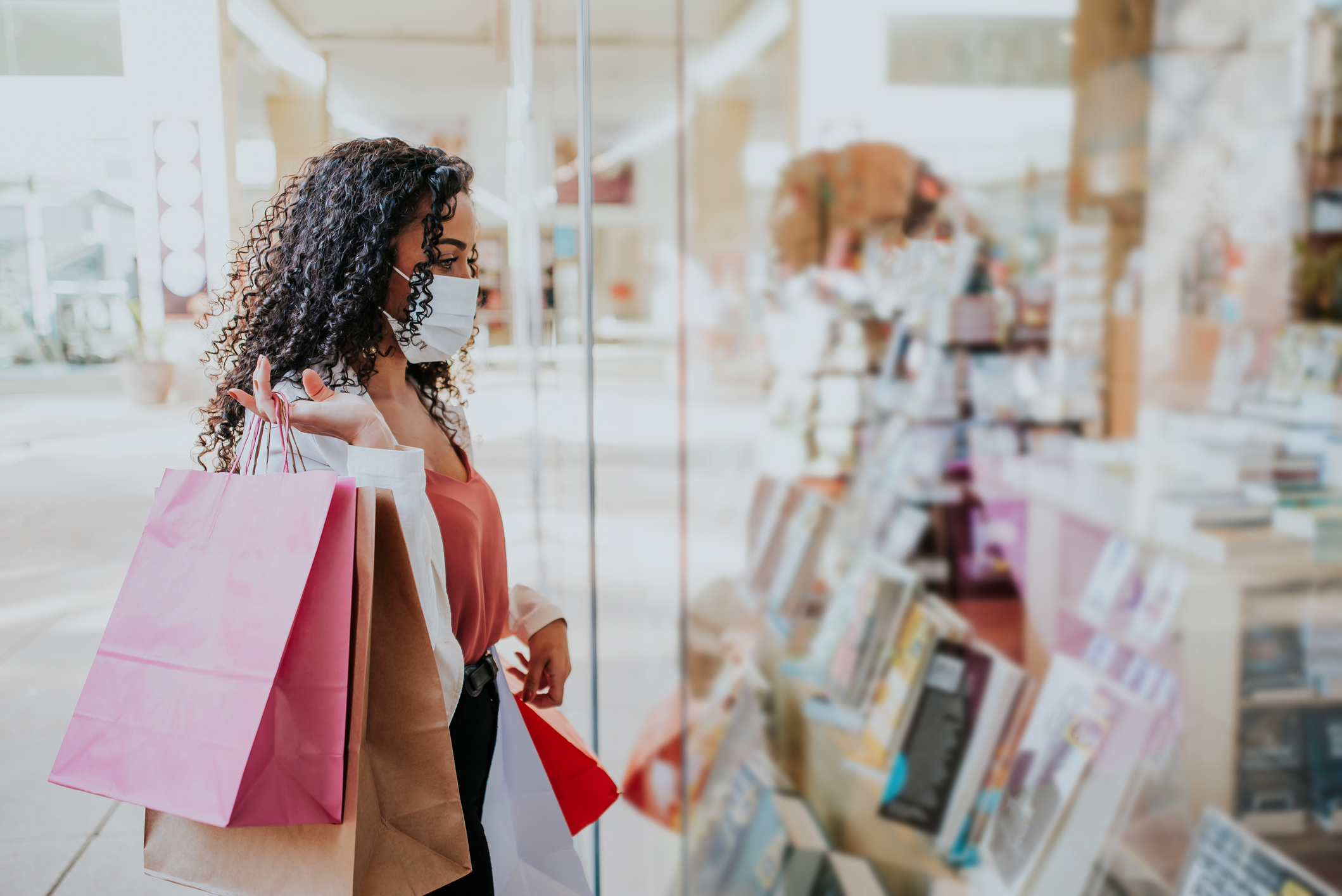
Before the pandemic, consumers struggled to see the value in connected retail experiences like click-and-collect and kerbside pick-up. The speed of the high street, combined with the convenience of online ordering, is a formula now appreciated by most shoppers. In our Connected Retail Experiences consumer survey, 83% of respondents said they had viewed items online and then shopped for them in physical stores within the last three months. In the industry audit portion of our study, our UX design team ranked 28 retailers on their connected experiences to determine who is best placed for success in 2021 and beyond. Given the rapid behavioural changes shown by shoppers in the last year, retailers that continue to invest early in innovative connected commerce technologies will be rewarded by earning customers, not just sales.
Demand forecasting
A sharp demand forecasting model has been essential since the dawn of retail, yet every year we continue to hear how retailers have struggled to keep waste and margin-slashing to a minimum. The pandemic’s immediate and unpredictable effects across all industries exposed just how fragile demand forecasting can be, and how many variables should be included. Unusual weather patterns and a faster-paced, global, social media culture increase the need for updated, highly agile planning systems. Not only have past demand forecasting models relied on conventional and minimal inputs, but they also failed to encompass reverse logistics and redistribution elements. 2020 was the perfect motivator to re-examine existing demand forecasting models, and 2021 is the perfect year to start leveraging more predictive technology.
Sustainability
In our Sustainability Consumer Survey, 40% of participants reported that in the last year, they have switched from one retailer to another when making a purchase in order to choose a more sustainable brand. Furthermore, 31% reported that they stopped buying from a brand over the last year due to its lack of sustainability efforts. While consumers have plenty of scope to choose more sustainable brands, large retailers such as Gap, Lululemon, Target, and Walmart continue to pledge their commitment to becoming more environmentally friendly. Gen Z’s heightened interest in sustainability, the reduced demand for fast fashion over the past year, and increased consumer patience with production and delivery timelines are creating the perfect backdrop for digital enablement to play a greater role in reducing retailers’ environmental footprints.
For a more global look at CI&T’s 2021 retail predictions, visit our article in A1 Retail.