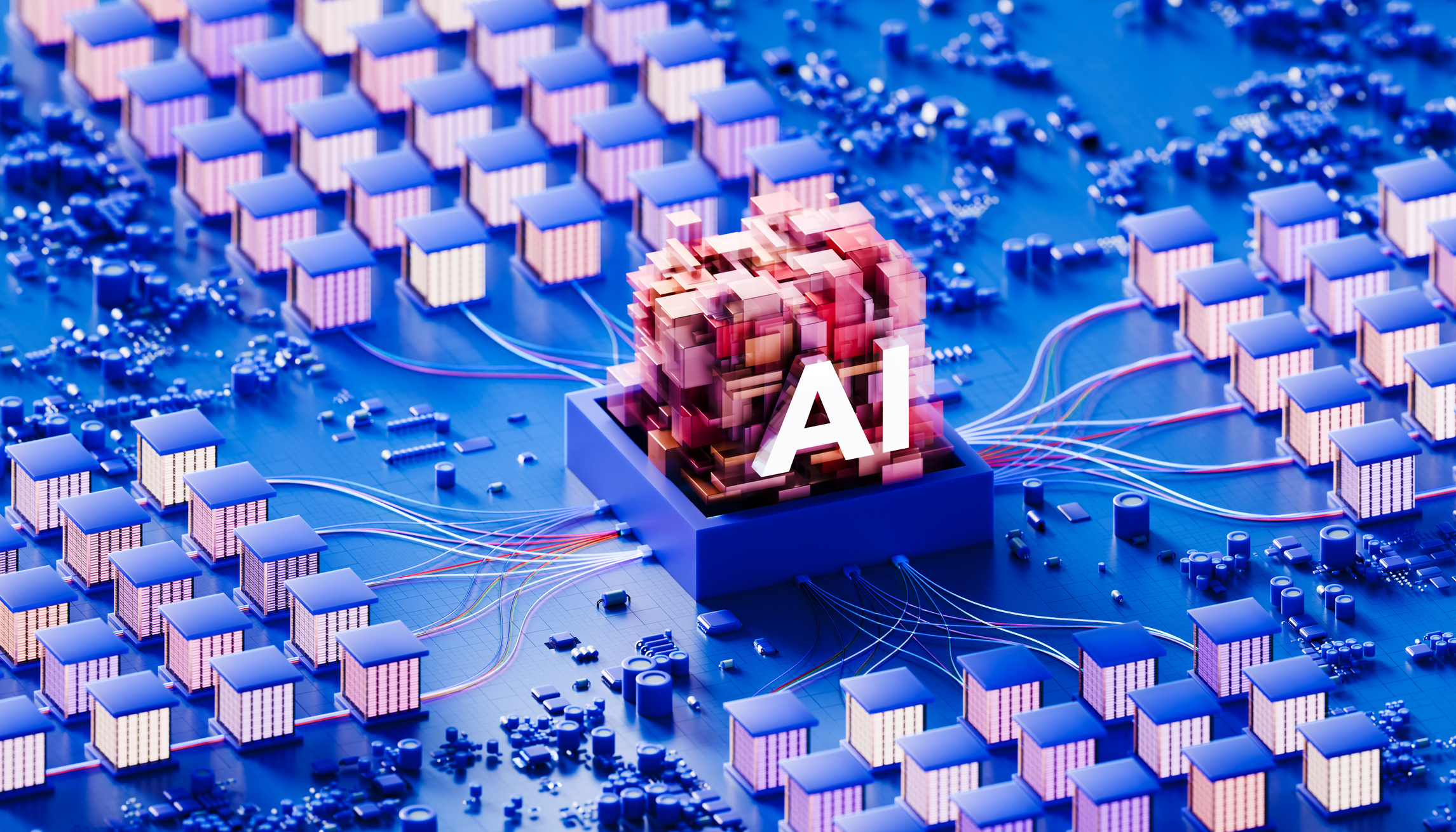
The past few years have been tough for business, and all leaders face a delicate balancing act. With every interest rate rise, company budgets take a hit, making cost-cutting a necessity. The thing is, the demand for digital products and services continues to surge, creating a perfect storm – how do we deliver more with less? Well, luckily, a new technology has arrived that we believe holds the key to unlocking remarkable efficiencies and paving the way for growth. Yes, I am talking about generative AI (GenAI).
Like many of you, I have come to dread the monthly RBA meeting where we hear if everything is going to be that little bit more expensive, again. In contrast to the COVID years, where we faced many challenges as a society, money had never been cheaper. We saw huge investments into digital products and application modernisation, leading to massive amounts of work and labour shortages across our industry. And then, just like that, it all changed. Interest rates soared, tech layoffs began and budgets shrank dramatically. But the COVID years had accelerated something. Consumers who were already demanding the best digital tools are not going to ease up on that. To stay competitive, businesses must find a way to keep delivering on the digital promise to their customers, but in a far tougher economic climate. We have to get creative.
To be clear, I don’t see this as an ‘AI taking people’s jobs’ scenario; that is simply alarmist. GenAI offers the opportunity to assist in all stages of the development cycle by integrating AI agents with human specialists, and in doing so, streamlining processes, boosting productivity, and creating more value with fewer resources.
Being an early adopter is hard, I get that. But businesses don’t need to go it alone. We are working with a cohort of 12 major companies to really stress-test the limits of what can be achieved in this space. Early indicators show that the productivity gains might be even higher than our most optimistic estimates. This really is the technology that will unlock unprecedented efficiencies and drive transformative growth, towards hyper-digital squads and later, hyper-personalisation.
What does this actually look like? Some examples across the development phases are:
- Automating the process “translation” between each of the key phases in the SDLC, from ideation and design, through to development, testing and operations
- Providing real-time insights on successful UX patterns, wireframes, and customer journeys
- Accelerating coding by providing recommendations, refactoring, detecting vulnerabilities, and helping understand existing code patterns
- Automating issue identification and diagnosis in testing
- Truly, this is just a very small part of what can be done. The spectrum of options is awe-inspiring.
Generative AI offers an unprecedented opportunity to drive efficiency and propel growth in the Australian business landscape. Rather than being in our customary position of ‘a few years behind’, Australian businesses can spearhead innovation and steer the nation’s economy toward a prosperous and technologically advanced future. It is time to tap into the potential of generative AI and unlock unprecedented possibilities within our businesses and the broader Australian economy.