With the rapid advancement of digital technology and supportive funding initiatives from the Singaporean government, local businesses have the opportunity to expand their operations by addressing the limitations of legacy modernisation efforts. In Singapore, it is imperative for companies to undertake legacy modernisation (the modernisation of legacy systems) for several key reasons:
Rapidly Evolving Market Demands
The business landscape in Singapore is in a continual state of flux, requiring organisations to respond swiftly to shifting market demands and customer expectations. Legacy modernisation enhances flexibility, enabling companies to adapt effectively to these changes.
Advancement of Digital Transformation
With the government actively advocating for digital transformation, enterprises must align with this trend by leveraging new technologies to improve their efficiency and competitive edge. Legacy modernisation represents a critical step in this digital transformation journey.
Enhancing Operational Efficiency
Legacy systems often exhibit inefficiencies, prolonged operational times, and increased maintenance costs, particularly when vulnerabilities arise. Legacy modernisation can streamline business processes, reduce operational expenses, and significantly enhance overall efficiency.
Enhanced Security
Given the rise in cybersecurity threats, legacy systems may exhibit significant vulnerabilities. Through legacy modernisation, organisations can implement the latest security technologies to safeguard data and operations, thereby bolstering customer confidence in the organisation.
Enhanced User Experience
Legacy modernisation typically offers superior user interfaces and enhanced functionalities. By implementing a system that aligns with the specific needs of your organisation, you can significantly improve the interaction experience for both staff and customers. This, in turn, enhances perceptions of customer service and boosts overall satisfaction levels.
Technology Integration
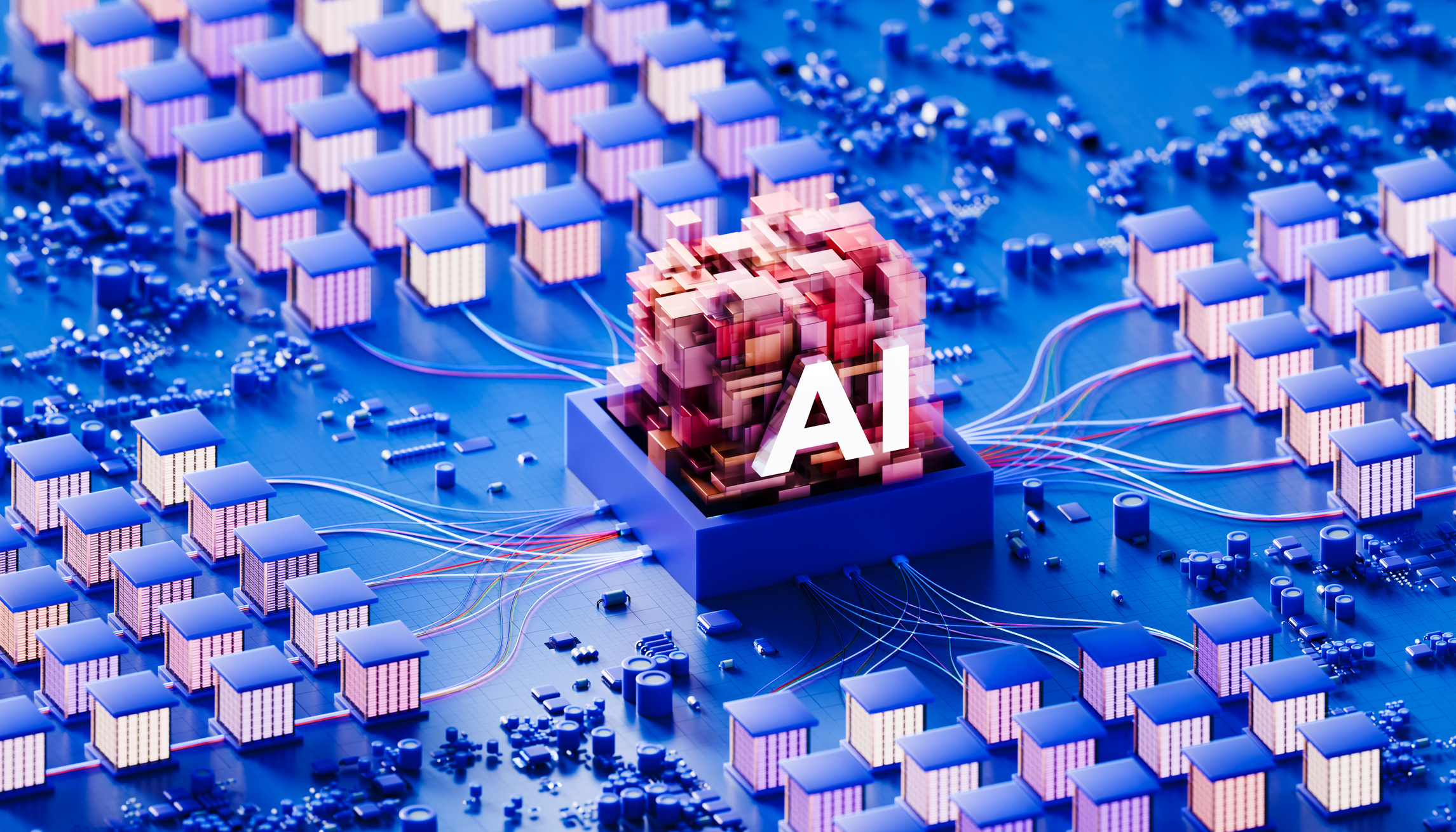
Legacy modernisation enables the seamless integration of legacy systems with emerging technologies, allowing organisations to harness advancements in areas such as artificial
intelligence, big data, and cloud computing. This integration minimises resource
discrepancies, saves time, and enhances overall business capabilities.
Conclusion
For companies in Singapore, legacy modernisation is essential for enhancing competitiveness and sustaining market position. This strategic initiative not only boosts operational efficiency but also enables organisations to remain agile in a rapidly evolving business landscape.